
Education has undergone a remarkable transformation over the last decade. With the rise of online platforms, recorded lectures, educational apps, and virtual classrooms, students today have more learning options than ever before. At the same time, traditional classroom learning continues to play an important role in developing academic knowledge and discipline. This has led to a common question among students and parents: Which method is better—digital learning or traditional classroom learning? The answer is not as simple as choosing one over the other. Each approach has its own strengths and limitations, and understanding them can help students make better decisions about their education.
Digital Learning Offers Flexibility and Convenience
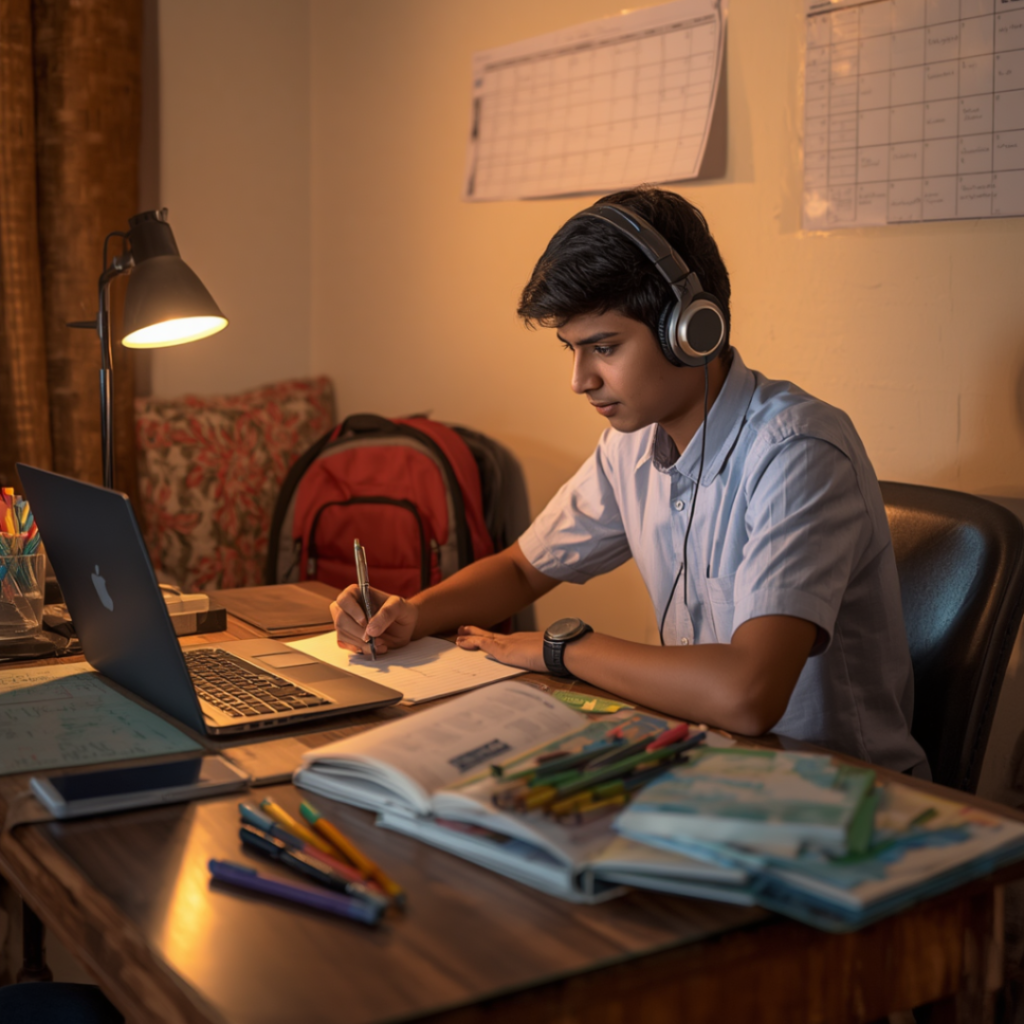
One of the biggest advantages of digital learning is flexibility. Students can attend classes from anywhere, watch recorded lectures multiple times, and learn at a pace that suits them. This is particularly beneficial for students preparing for competitive exams like JEE, NEET, CUET, and IAT, where revision and repeated practice are essential. Online resources also make high-quality education accessible to students living in places where experienced teachers or coaching institutes may not be available. The ability to learn anytime and anywhere has made education more accessible than ever before.
Traditional Classrooms Encourage Discipline and Routine
Traditional classroom learning provides a structured environment where students follow a fixed schedule, interact with teachers regularly, and remain accountable for their studies. Attending classes every day helps students develop discipline, punctuality, and consistency. A regular classroom routine reduces the chances of procrastination and keeps students connected with their academic goals. For many learners, this structure creates a stronger habit of studying compared to learning entirely on their own.
Face-to-Face Interaction Improves Understanding
One of the greatest strengths of traditional classrooms is direct interaction between students and teachers. Students can ask questions immediately, participate in discussions, and receive instant clarification. Teachers can also observe students’ expressions and body language to identify confusion or lack of understanding. This personal interaction often makes learning more engaging and helps students build confidence in expressing their doubts. Human connection remains one of the most valuable aspects of classroom education.
Digital Learning Provides Unlimited Resources

Unlike traditional classrooms that often rely on textbooks and classroom notes, digital learning gives students access to an enormous variety of educational content. Video lectures, animations, simulations, mock tests, quizzes, and interactive exercises allow students to explore concepts from multiple perspectives. If one explanation is difficult to understand, students can easily find another resource that matches their learning style. This variety encourages independent learning and helps students strengthen their conceptual understanding.
Classroom Learning Builds Important Social Skills
School and coaching classrooms are not only places for academic learning but also environments where students develop communication, teamwork, leadership, and interpersonal skills. Working on group activities, discussing ideas with classmates, and interacting with teachers prepare students for future professional and personal life. Online learning, while convenient, cannot completely replace the value of face-to-face social interactions that contribute to a student’s overall personality development.
Digital Learning Demands Greater Self-Discipline
Although online learning offers flexibility, it also requires students to be highly disciplined. Without regular supervision, many students struggle to maintain consistency and become distracted by social media, games, or entertainment. Watching lectures without taking notes, postponing assignments, and skipping revision are common challenges faced by online learners. Digital education provides excellent opportunities, but students must develop strong self-control and time management skills to benefit from it fully.
Personalized Learning Bridges the Gap Between Both Methods

The most effective learning often combines the strengths of both digital and traditional education. Students benefit when they receive classroom guidance along with digital resources that allow them to revise and practice independently. More importantly, education becomes highly effective when learning is personalized according to the student’s strengths, weaknesses, and academic goals. Rather than following the same pace for everyone, personalized mentorship helps students focus on areas where they need the most improvement. This balanced approach enables students to perform better in both school examinations and competitive entrance exams.
The Future of Education Is Blended Learning
Education is gradually moving toward a blended model that combines technology with classroom teaching. Students today can attend interactive classes, solve online practice tests, watch revision videos, and receive personalized feedback from mentors. This combination provides the advantages of flexibility without losing the benefits of teacher guidance and structured learning. Institutions that successfully integrate digital tools with individual mentorship are helping students learn more efficiently and prepare confidently for future challenges.
Conclusion
Both digital learning and traditional classroom learning have transformed the way students acquire knowledge. Digital platforms provide flexibility, accessibility, and abundant learning resources, while traditional classrooms offer discipline, interaction, and immediate support. Instead of viewing them as competing methods, students should learn to use the strengths of both. The best educational experience comes from combining quality teaching, modern technology, consistent practice, and personalized guidance. By adopting this balanced approach, students can develop stronger concepts, better study habits, and greater confidence to succeed in board exams as well as competitive examinations.
Leave a Reply