
Understanding the Level of the Exam

Preparing for JEE Advanced after Class 12 requires a clear understanding of the exam’s difficulty level. Unlike JEE Main, this exam focuses deeply on conceptual clarity, analytical thinking, and multi-step problem-solving. Students are expected not just to know concepts, but to apply them in unfamiliar situations. This makes it essential to shift from a basic learning approach to a more advanced, application-oriented mindset.
Self-Analysis: The Starting Point
Before beginning serious preparation, students must honestly evaluate their current level. This includes identifying strong and weak subjects, understanding whether Class 11 fundamentals are clear, and analyzing past performance in mock tests or previous exams. Without proper self-analysis, students often follow random strategies that do not match their needs, leading to wasted effort and time.
Strengthening Fundamentals
A strong foundation is the backbone of success in JEE Advanced. Many students make the mistake of directly attempting high-level problems without revising their basics. Topics from Class 11, such as Mechanics, Algebra, and basic Chemistry concepts, must be clear. When fundamentals are strong, advanced problems become easier to understand and solve.
Importance of a Structured Study Plan
Random studying can never produce consistent results. Students need a well-structured study plan that balances all three subjects—Physics, Chemistry, and Mathematics. A proper routine should include daily targets, time for revision, and regular practice sessions. Following a disciplined schedule helps students stay organized and ensures that no important topic is left uncovered.
Smart Practice and Problem Solving
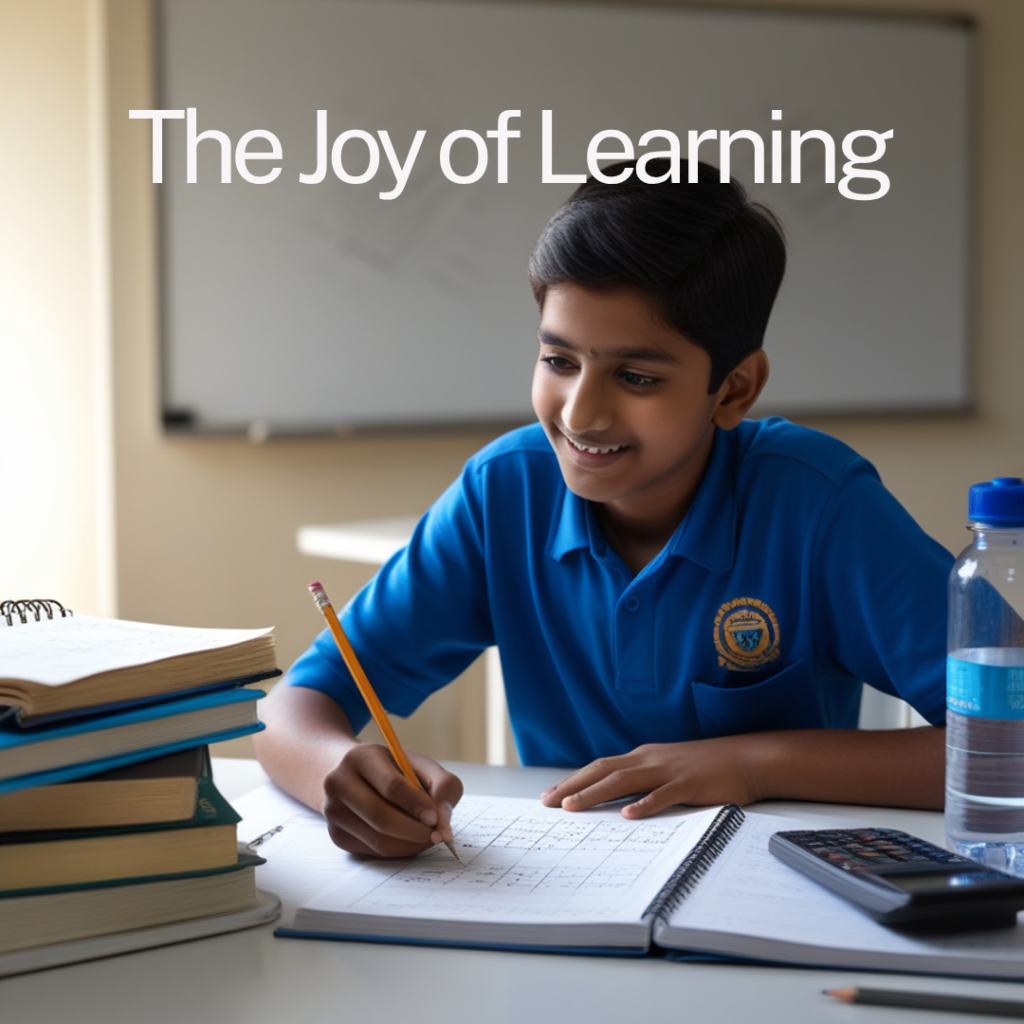
Practice is the most important part of preparation, but it must be done in a smart way. Solving previous year questions of JEE Advanced helps students understand the exam pattern and difficulty level. Instead of focusing only on the number of questions, students should focus on understanding the logic behind each problem. This approach improves analytical thinking and builds confidence.
Role of Revision in Retention
Revision is essential for long-term memory and accuracy. Without regular revision, students tend to forget concepts, which affects performance during exams. Making short notes, revising formulas regularly, and revisiting important topics weekly can help in maintaining strong command over subjects. Consistent revision ensures that concepts remain fresh and easily applicable.
Mock Tests and Performance Analysis
Mock tests play a crucial role in preparation, but their real benefit comes from analysis. After every test, students should carefully evaluate their mistakes, identify weak areas, and work on improving them. This continuous cycle of testing and learning helps in gradual improvement and better exam performance.
Time Management and Accuracy
Success in JEE Advanced depends not only on knowledge but also on how effectively students manage their time during the exam. Selecting the right questions, avoiding unnecessary risks, and maintaining accuracy are key factors. These skills can only be developed through consistent practice and mock testing.
Discipline and Consistency

Discipline is the foundation of successful preparation. Students often begin with high motivation but struggle to maintain consistency. Regular study, even for a few hours daily, is far more effective than irregular long study sessions. Staying consistent helps in building confidence and ensures steady progress over time.
Importance of the Right Guidance
Proper mentorship can make a significant difference in a student’s preparation journey. Without guidance, students may follow incorrect strategies or fail to identify their weaknesses. Institutes like Igniters for Tomorrow provide structured learning, personalized attention, and regular monitoring, helping students stay on track. This is why many students and parents search for the best coaching for Science and Maths in Dehradun to ensure effective preparation.
Conclusion
Cracking JEE Advanced after Class 12 requires a balanced approach that combines strong fundamentals, smart practice, regular revision, and consistent effort. It is not about studying more, but about studying in the right way. With the right strategy and proper guidance, students can significantly improve their performance and achieve their goals.
Leave a Reply